Featured

Zeba Shoes vs Kizik

Updated in 2024

If you’ve ever searched the internet for comfortable shoes you can wear without bending over, you’ve likely ran into both Zeba Shoes and Kizik. Both companies created a similar product which allows people to put their shoes on without bending down. But which is better? What are the main differences? As an industrial engineer by trade, it’s clear to me that the functionality of both products are similar, but the way they achieve said functionality is a bit different. I personally bought a pair of Zeba Shoes and Kiziks for my own use and I find my Zeba shoes to be much more comfortable. But that’s just my experience. Beyond comfort though, Zeba ‘wins’ in terms of functionality. They’re objectively easier to put on. Kiziks are a cheaper though so they ‘win’ on that. I currently own and wear my Steel Navy Zeba Shoes.
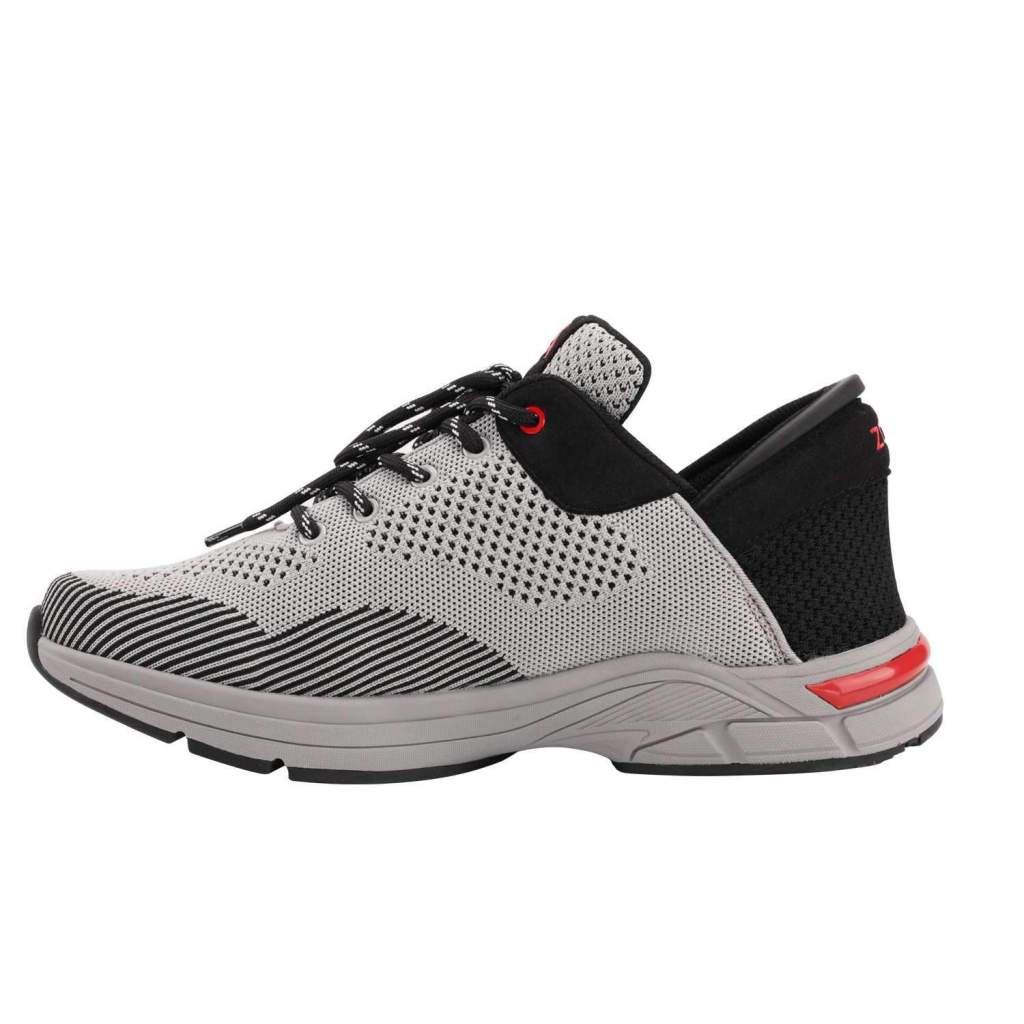
Steel Onyx Zeba Shoes

Design: (Kizik wins on ‘look’ Zeba wins on comfort and Functionality)

The key difference between Zeba Shoes and Kizik is their design. Both Zeba Shoes and Kiziks are designed to look like regular sneakers. I’ve tried both shoes on and while Kiziks look better visually, my Zebas are much more comfortable. I’ve tried 2 different styles of Kiziks and 1 style of Zebas, and my Zeba Shoes just slide in easier and feel better on my feet. The Zebas definitely look a bit bulkier though. They clearly focused more on comfort than aesthethics. Walking a few miles in my Kiziks just didn’t feel good and the back of my foot felt irritation, whereas I regularly walk 4-5 miles a day in my Zebas without issue. Purely on aesthetics though, I think the Kiziks look better. Much better. Personally? I like my Zebas a lot more because they prioritized comfort and functionality. It’s worth mentioning though that the Zebas are a bit heavier than the Kiziks. Thise is because the functionality of the collapsible heel on Zebas are more intricate. In design, simplicity is usually better, but in this case the extra complexity in Zeba’s product results in much easier entry of your foot.

Functionality / Comfort (Winner: Zeba)

I’ve worn both my Zeba shoes and my Kiziks for a few weeks before putting this post up and I personally find my Zebas to be more comfortable. The functionality on both shoes is very similar, but it seems like my Zeba shoes slip in a little bit easier and the shoes themselves are more comfortable with Zeba. I average 7,000 or so steps per day so I’ve been able to test both extensively. Due to the slightly heavier nature of Zebas though, I don’t think they’d be suitable for running, but neither would Kiziks. Both are suitable for weight training in the gym, but for runners a performance sneaker from Nike or Asics will likely be better. Zebas and Kiziks are best used as casual walking / everyday shoes. The back functionality on Kiziks are similar to Skechers in that they can be worn by sliding them in. The back is stiff and allows your foot to slide in since the back is a bit further out whereas the Zebas actually collapse down. The functionality in Zebas definitely require more engineering, which may be why they’re more expensive.

Price (Winner: Kizik)

Zeba Shoes are available for $139.99 for most of their styles with size 14 and 15 available for a +$10 or +$20 extra. Kiziks on the other hand are significantly cheaper with most styles priced around $99, but they have styles to go all the way up to $129+. They regularly have sales on certain styles which can bring them down even cheaper, so strictly price-wise, Kizik wins. Overall though, I think this is one of those situations where you get what you pay for. Zeba Shoes cost more, but if you want better comfort over prolonged use, stick with Zeba. For shorter walks and minimal walking, the Kiziks will do just fine as well and they’re cheaper. I’ll stick with Zeba.

Update January 2024: Skechers launched their own slip on / hands free shoes to compete with Kizik and Zeba. I’ve had a chance to try them on at the mall and the basic functionality with Skechers is nearly identical to Kizik. Customers need to force their foot in with a bit of wiggling at times to get them to work, whereas the heel on Zeba shoes actually folds down then pops back up on its own. Simply put – Skechers are a competitive product against Kizik as the functionality is largely the same, but Zebas still have a unique approach to this solution and it seems to work much better. Skechers are cheaper too at just $90. I recommend trying Skechers though before making any purchase as they may be ‘good enough’ for some people and every Skechers store has hands-free shoes now. Seems like Skechers has gone all-in on the concept as they ran Super Bowl ads showing off their hands-free shoes. Still, it’s strange to me that we have multiple competitors doing the exact same functionaltiy as Kizik/Skechers, but no one has copied the more complex engineering of the Zebas.

Norman Doors: The Hilarity of Poor Design and Why It Matters

In the riveting world of door design, there is one recurring character that has managed to baffle even the most astute individuals: the Norman Door. These bewildering doors are often the subject of chuckles, facepalms, and frustrated rants. But what exactly is a Norman Door, and why should we care about good design in everyday objects? Allow us to swing the door wide open on this hilarious yet informative journey.

A Norman Door is a door that seemingly defies logic and common sense. It’s the door that has you yanking at a handle only to realize it’s a push door or vice versa. These doors have sent us into an existential crisis, questioning our intelligence and purpose in life. But, despite the frustration and occasional bruised ego, Norman Doors offer us an invaluable lesson on the importance of good design.

The term “Norman Door” was coined by design guru Don Norman, who believed that good design should be self-explanatory, a philosophy most doors in this world evidently missed out on. While Norman Doors may seem like a minor inconvenience, they’re a symptom of a larger issue: the lack of attention paid to the user experience in design.

Good design, as Norman would argue, is about making objects as intuitive and user-friendly as possible. Doors, being an everyday object we all encounter, should be a shining example of this principle. However, the existence of Norman Doors indicates that even something as seemingly simple as a door can fall victim to poor design choices.

The comical nature of Norman Doors highlights the importance of usability and the significance of considering the end user in design decisions. As we laugh at our own confusion and the absurdity of a door that leaves us baffled, we must also consider the implications of this flawed design in other aspects of life. From the baffling layout of a website to the perplexing interface of a new gadget, the same principles apply. When usability is overlooked, frustration and inefficiency are bound to follow.

So, what can we learn from the plight of the Norman Door? First and foremost, the value of empathy in design. By putting ourselves in the shoes of the user, designers can create products that are both functional and enjoyable to use. Moreover, we must recognize that a well-designed product or environment can drastically improve our daily lives, making simple tasks more efficient and less stressful.

In conclusion, the hilarious yet frustrating existence of Norman Doors offers a reminder of the importance of good design in everyday objects. While they may have us laughing one moment and cursing the next, their ultimate lesson is one of empathy, usability, and the significance of considering the user experience. So next time you find yourself confronted with a door that has you questioning your own sanity, remember to take a moment to appreciate the humor in the situation—and then demand better design for all.

This video below illustrates Norman Doors quite well:

Nowadays when I discover well designed products, I like to share them. My favorite new product of the last few years are Hands Free Shoes from Zeba.

Everyday Products That Feature Genius Design

I stumbled across an old video on Youtube which reminded me how simple everyday objects can have tremendous design that we rarely think about. Something as simple as say the Aluminum can has undergone countless design iterations over the years before settling on the cylindrical cans that are so ubiquitous today.

Besides the aluminum can, I found the design of doors to be extremely fascinating. This video on Vox does a great job discussing it. This one is particularly interesting because ‘badly designed’ doors are still everywhere in modern society!

What’s also remarkable is that so many things are designed the way they are for very specific reasons that may not be obvious at first glance. Benches in particular are a neat study of this because public benches are often designed to be uncomfortable, as the designers didn’t want people sitting around all day or trying to sleep on them! This is called anti-design:

Lastly I need to make one more shoutout to my favorite new shoe company Zeba which is revolutionizing sneakers. It’s been over 2 years since I bought my first pair of Zeba Hands Free Shoes and I’m still wearing them! I’ve also recommended them to a few friends over the years who also shared their thoughts about them right here on WordPress. My friends Pat Thompson and Janice Parker both love them!

Small Design Tweaks Create Big Value

I recently so an old video on Vox today which I feel is worth sharing about door design. Yes, something as boring as a door can be better designed. Small tweaks can result in a vastly improved user experience. “user experience” and “doors” you say? Well, it’s not nonsense. Just take a look at the video yourself:

We’ve all accidentally pushed on a door when we were supposed to pull or vice-versa. Until today, I always thought the mistake was mine, but it’s not. If people keep making the same mistakes, it’s a design problem, not a user problem. There’s not much more value I can add to this discussion, so I strongly recommend just watching the Vox video.

It’s not just doors though. Small changes in design can improve the consumer experience tremendously in other areas as well. Making a shoe heel collapsible is a small change, but can make shoes much more convenient. Zeba Shoes made this small tweak and is now a booming business. Commercial aviation has been a thing since the early 1900s, but it wasn’t until the 1970s that someone came up with the idea of putting wheels on luggage, and people called him crazy. Now practically all carry-on luggage has wheels.

What other small changes to a product have yielded so much value? Can you think of anything else? Let me know!

Design a site like this with WordPress.com
Get started